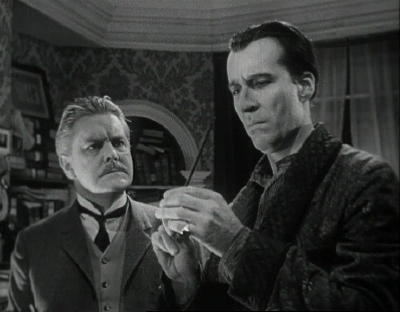
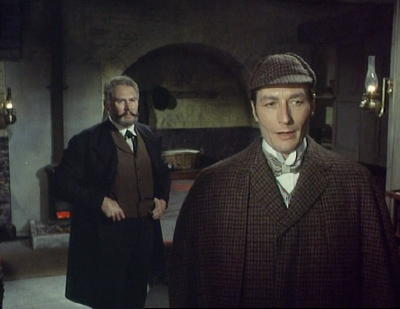
Keaton & Dracula (1922-1992 versions)
Saw a few films since last week, including Criterion's September release of The Spirit of the Beehive (1973), a few short films from Network's Buster Keaton Chronicles boxset and Terence Fisher's 1958 Hammer adaptation of Dracula which Dave wrote about a couple of weeks ago. I'm hoping to find some time next week to write a bit more on Spirit of the Beehive once I've sampled the extras on the Criterion, so for now just a few words on the other films.
The Network boxset Buster Keaton Chronicles is a very decent and near-comprehensive compilation of the great comedian's body of work: it contains the majority of his short films from 1920 onwards as well as all his feature films including his masterpieces Sherlock Jr (1924) and The General (1926). Network have selected the Thames version of The General which is in watchable condition but doesn't compare to the fully restored prints released by MK2 in France and here in the UK which ought to be the first and only choice for Keaton purists (as it happens, the MK2/BBC DVD is on budget sale here). If The General and for that matter, Keaton's best short films (among them Neighbours and The Haunted House) don't convince those of our readers raised on modern blockbusters that silent cinema can be as flamboyantly entertaining and technically accomplished, then nothing will. Keaton's comic timing and self-performed, often breathtaking and physically extremely dangerous stunts (one of which resulted in his breaking his neck, an injury which wasn't properly diagnosed until years after the incident) are to this day unmatched - Neighbours alone packs more genuine comedy and innovation into its 20 minutes than the great majority of contemporary "comedies" manage in their entire length. Even if The General, College, Three Ages and Steamboat Bill Jr are available in properly restored DVDs and also taking into account the occasional heavy print damage on some of the shorts (One Week for instance), Network's box set is still a solid release (especially if you are keen on the early feature film The Saphead). That said, Masters of Cinema's upcoming collection now scheduled for the 20th of November adds 13 short films shot between 1917 and 1920 to the existing roster as well as an audio commentary for 6 of the films and a 180 page booklet.
Prior to Fisher's Dracula, I'd only seen Murnau's Nosferatu and Francis Ford Coppola's 1992 film (still have to get hold of Tod Browning's 1932 film with Bela Lugosi, Werner Herzog's 1978 Nosferatu remake with Klaus Kinski and, finally, John Badham's version with Frank Langella and Laurence Olivier). Knowing that this is a sort of blanket statement (as I haven't seen the remaining three films), I'd wager that of all the official adaptations of Stoker's book, the Murnau film remains the spookiest (no mean feat given it's over 80 years old now), with the German Expressionist sets and lighting and Max Schreck's (how fitting that his surname should mean fright in German) performance still as chilling as in 1922.
As for the Coppola version, well, I used to love it as a teenager: when it came out, I was too young to be allowed to see it but had read so much about it in advance and had wanted to see it so badly that I was absolutely thrilled and giddy with excitement when I actually succeeded in convincing the manager that I was old enough to see it. But my love affair with it didn't last: with each new viewing, my enthusiasm waned and I became more aware of the film's flaws. Disillusioned, I didn't watch it again until recently and having seen it again, I tend to view the film more sympathetically than I have before. The cinematography by Michael Ballhaus and the set and production design remain absolutely stunning - on a technical level, the 1992 Dracula is among the most impressionably realised films I've seen to date. It's a curious film in which two opposites styles clash with one another; it's as if Coppola, and the actors with him, can't seem to decide whether to play it straight in old-school genre style (Ryder, Reeves, Oldman at times) or to ironically overact (Hopkins). Indeed, it's often not clear when the film, as it occasionally does, degenerates into comedy, whether the effect is unintentional or entirely deliberate. The scenes with Keanu Reeves and especially the denouement to his rape by Dracula's three brides suggest the former but there are equally moments where the effect is ostensibly calculated: consider the horrified and yet amused reaction the film provokes when Coppola, in a bit of unexpected black humour, cuts from Lucy's impalement straight to a shot of Van Helsing slicing meat open for dinner.
I believe the main reason why many critics and viewers don't buy into Coppola's film and take the obvious route of dismissing it outright, is that it's because the picture is so at odds with itself, tonally fluctuating wildly and often within single scenes between austerity and comedy. It's as if the film is stuck between the stringent tone of the horror films before it and the post-modernist, ironic slant of the Scream era that followed. If Coppola's Dracula is a failure (and in many ways it is; it's never remotely scary; the romance between the count and Mina humanises the vampire too much, robbing him of much of his menace; some parts are badly miscast), the least you can say is that it does so on terms which engage the open-minded and perceptive viewer in an ongoing conversation and provoke further reflection. The pic also gets points for Tom Waits' superb performance as the deranged Renfield and the brilliant scene in which Dracula, in wolf's form, kills Lucy: that moment is very effectively cross-cut with Mina's marriage to Harker, and it's neatly reminiscent of the climatic baptism sequence in The Godfather Part One which employs parallel editing to identical effect. *** (out of five)
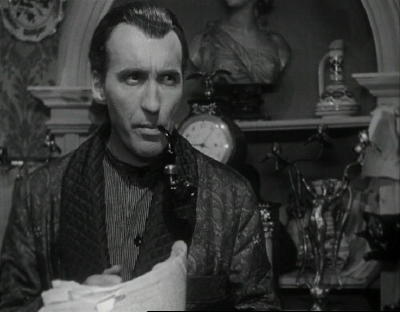
Initial impressions of the Fisher version? Very good if not necessarily what I expected. One of the things that struck me was how they handled Dracula's introduction in the Hammer film compared to the expressionist style in the Murnau and Coppola's imitation of it in 1992: I may be misremembering it from the other films but from what I can recall, the build-up to his entrance and his actual appearance seemed longer whereas in the Hammer the comparatively swift and matter-of-fact manner of his entrance achieves a very different effect (the gong heard on Bernard's score in that moment is a nice touch). Coincidentally, I happen to think that the first third of the film, set at Dracula's castle, feels a bit unbalanced next to the more measured, perceptibly calmer pacing of the main bulk of the film when Van Helsing comes into play. Here, too, the Fisher version differs significantly from any other adaptation I'd seen to date: anyone new to the film and unspoiled by reviews and further reading is likely to be caught by surprise at just how strongly Van Helsing features in this version. The first hint is dropped when Peter Cushing gets first billing in the opening credits (Christopher Lee astonishingly comes fourth!) but it only becomes clear midway through that this really is Van Helsing's film.
Partially necessitated by Cushing's star status at the time, this change of emphasis and point of view works exceedingly well for the picture: firstly, it's simply refreshingly different and secondly, it also afforded Peter Cushing the opportunity to make the character his own, and he rose to the challenge in a commanding performance that demonstrates a perfect understanding of the character, and embodies Van Helsing's sternness, his commitment and his humanity. It's an iconic performance that is respectful of the character and elicits our respect in return. Couple this with Christopher Lee's portrayal of Dracula as a sensual seductor and handsome predator (this is the first film to acknowledge the sensual, sexual character of the vampire's bite), and it's easy to see why the Hammer version is by common consensus regarded in conjunction with the 1922 Nosferatu as the best adaptation of Stoker's novel. The cinematography and lighting by Jack Asher and Bernard Robinson's production design belie and transcend the limitations of Hammer's low budgets (as in the later Brides of Dracula), enhancing the film with often lush visuals (Dave tells me Asher was eventually replaced for later productions as his shooting methods proved too costly; more's the pity). Bernard's score contains effective cues but I found it a touch overbearing still, and Michael Gough is rather dull in the role of Holmwood but the overall achievement of Fisher's richly atmospheric film is not diminished by it. ***** (out of five)
Last but not least as a late addendum to Halloween, my list of favourite horror films. At the top Ridley Scott's Alien for a number of reasons: it was my first ever first horror film (at the age of eight, I think) and it has stayed with me ever since (in fact, I'm certain that over the years, I've seen Alien more times than any other film, horror or otherwise). What also clinched it for Alien is that James Whale's Bride of Frankenstein coming in at No 2 is intentionally funny as opposed to scary. Whale is strongly represented in the list also with The Invisible Man which is so deliciously creepy and blackly funny that if I were to revise the list at some point in the future, it could possibly replace Bride in second spot. Also mentioned: the brilliant Japanese supernatural folklore horror Kuroneko with shades of Edgar Allan Poe and William Friedkin's The Exorcist which made a lasting impression on me and which I might write about in the future.. here's the list as it stands now (definite entries in bold):
Alien
Bride of Frankenstein
Kuroneko
The Invisible Man
Psycho
The Innocents
The Exorcist
Don't Look Now
The Texas Chainsaw Massacre
Audition